


The Renters’ Rights Act has already brought sweeping changes to the private rented sector this year, most notably with the abolition of “no-fault” Section 21 evictions in May. However, the legislation has not stopped there.
As of 23 June 2026, local councils have been granted powerful new enforcement abilities, meaning landlords must be more vigilant than ever regarding property maintenance and their administrative paper trails.
Here is exactly what the new rules mean for you, and how to protect yourself from severe financial penalties.
The New Enforcement Powers
The government has officially handed local authorities the power to issue on-the-spot civil penalties of up to £7,000 to landlords who fail to address severe property hazards.
This strict crackdown specifically targets dangerous living conditions, with a heavy focus on:
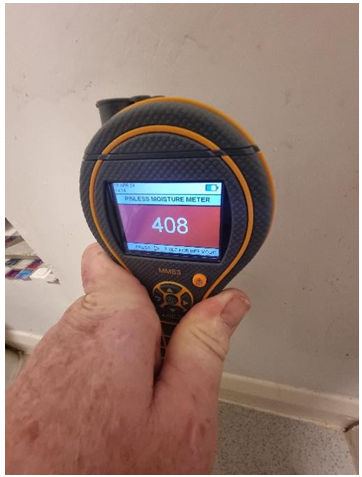
- Severe damp and mould
- Faulty or unsafe electrical wiring
- Inadequate heating systems
- Unsafe property layouts or fire hazards
Councils are being actively encouraged by the government to utilise these new powers immediately to drive rogue operators out of the market and raise local housing standards.
Why Your Paper Trail is Your Best Defence
At Expert Landlord Solicitors, we fully support the push for safe, high-quality rental housing. The vast majority of private landlords take immense pride in their properties and care deeply about their tenants’ wellbeing.
However, good intentions are no longer enough to protect you legally. Compliance is now strictly evidence-based.
If a tenant reports a damp issue or a broken boiler to the council, the council will investigate. To avoid a fine, you must be able to instantly produce a flawless, legally sound audit trail proving that you fulfilled your duties. You need to show exactly when the issue was reported, how you responded, the timeline of repairs, and up-to-date safety certificates.
If your repair protocols are informal, or if your communication logs consist of a few scattered WhatsApp messages, you are leaving yourself incredibly vulnerable to administrative oversights and subsequent fines.
Regaining Possession: The Section 8 Route
It is also vital to remember that these property standards tie directly into your ability to regain possession of your property.
Many landlords mistakenly believe that with the end of Section 21, they are stuck with problematic tenants. This is simply not true. You can still regain possession using the Section 8 procedure for issues like severe rent arrears or anti-social behaviour.
However, if your tenant can prove to a judge that you have ignored severe property hazards, they can use this to build a robust legal defence against your possession claim. If your paperwork is not watertight, your claim could be dismissed entirely, leaving you with mounting legal costs and a difficult tenant still in the property.
Get Your Free 15-Minute Compliance Check
Navigating this rigorous new legal landscape can feel overwhelming, but you do not have to do it alone.
Because our principal solicitor, Julieann, has extensive experience representing both tenants and landlords, our firm possesses a 360-degree understanding of exactly how housing disputes unfold in court. We know precisely which loopholes to close to ensure your property portfolio is legally secure.
To help landlords adapt to the new June enforcement rules, Expert Landlord Solicitors is currently offering a Free 15-Minute Compliance Check.
We will briefly review your situation, identify any immediate risks, and outline exactly how our transparent, fixed-fee services can get your paperwork flawlessly up to date.
Do not wait for a council inspection to find out your files are lacking. Contact Tina today at tina@expertlandlordsolicitors.co.uk to arrange your free compliance check, or [click here to view our fixed-fee pricing structures].